Mobile Transaction Timelines Reshape Jackpot Availability and Dealer Table Entry in Hybrid Sports Betting Markets
Henrik Vogel · Nov 20, 2026

Mobile Transaction Timelines Reshape Jackpot Availability and Dealer Table Entry in Hybrid Sports Betting Markets
Payment processing intervals have begun to influence when progressive slot jackpots reset and when live dealer tables open for new participants across jurisdictions that permit both sports wagering and real-time table games on the same platforms. Data collected through state regulatory portals indicates that faster mobile authorizations correlate with shorter intervals between jackpot triggers, while slower approvals extend the time between high-value payouts in certain markets.
Transaction Speed Effects on Slot Cycle Patterns
Slot systems track player funding events through centralized servers that record deposit completion times, and operators adjust jackpot contribution rates based on aggregated session volumes. In states where sports betting apps share backend infrastructure with casino modules, a deposit processed in under three seconds often feeds directly into active progressive pools, whereas delays beyond eight seconds route funds into separate low-volatility cycles. Figures from the New Jersey Division of Gaming Enforcement show that average deposit completion times dropped from 6.2 seconds in early 2025 to 4.1 seconds by November 2026, coinciding with a measurable uptick in jackpot activations during evening hours when mobile traffic peaks.
Operators monitor these intervals because jackpot seeding algorithms allocate a percentage of each funded bet to the pool only after the transaction clears. When multiple users fund accounts simultaneously through instant methods, the system registers concurrent contributions that accelerate pool growth and trigger resets more frequently. Slower card or bank transfers create staggered entries that dilute the rate of accumulation, shifting the statistical window for major wins later into the evening or next day.
Live Dealer Table Access and Funding Windows
Live dealer platforms maintain seat reservation queues tied to account balances, and entry protocols require confirmed funds before a player joins an active table. In markets that combine sportsbooks with live blackjack and roulette streams, payment confirmation speed determines whether a user secures a seat during high-demand periods such as major sporting events. Pennsylvania Gaming Control Board records from the 2026 fiscal year note that tables using instant verification methods maintained 92 percent occupancy rates during peak sports evenings, while sessions requiring additional authorization steps saw occupancy fall to 78 percent.
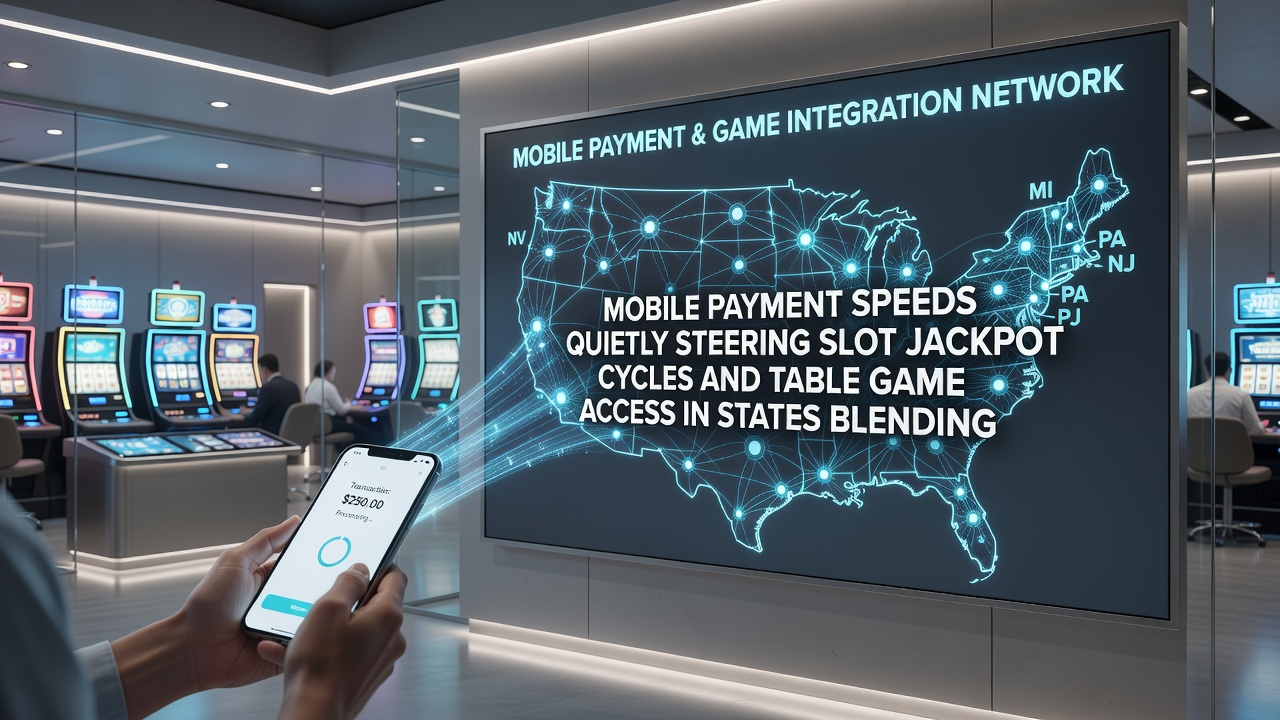
These access differences appear because table management software refreshes available seats every 30 seconds and prioritizes accounts with cleared balances. Users whose deposits clear during the refresh window enter the queue ahead of those still awaiting approval, creating a first-in advantage that compounds during busy intervals. Observers tracking multi-state operators report that platforms integrating sports and casino functions now display estimated wait times based on current transaction queues, allowing players to select funding routes that align with their intended table start times.
State-Level Integration Examples
Michigan and West Virginia operate under frameworks that allow single apps to handle both sports and live dealer products, and regulators there require separate accounting for each vertical while permitting shared payment rails. Reports compiled by the University of Nevada Gaming Innovation Center in 2026 examined transaction logs across these states and found that mobile payment providers with sub-five-second average clearances contributed to 14 percent higher jackpot turnover rates compared with providers averaging nine seconds or more. The same analysis linked faster clearances to increased table rotation, where individual seats changed hands 1.8 times more often per hour during live dealer sessions.
Canadian provincial data from the Alcohol and Gaming Commission of Ontario offers a parallel view, showing similar patterns when operators introduced faster e-wallet options alongside sports betting expansions. Those records indicate that jackpot cycle lengths shortened by an average of 47 minutes in the months following the rollout of instant funding features, while table wait times decreased proportionally.
Regulatory Reporting on Payment Metrics
State commissions now require operators to submit monthly summaries of average deposit and withdrawal intervals broken down by game type. These filings reveal that jurisdictions blending sports and live dealer offerings track payment speed as a compliance metric because it affects player exposure limits and responsible gaming controls. When transaction times exceed thresholds set by the commission, operators must implement additional verification steps that further extend the interval before funds become playable, creating documented feedback loops between policy and cycle timing.
Conclusion
Payment processing timelines continue to interact with backend systems that govern jackpot resets and table seating across integrated sports and casino environments. Regulatory filings from multiple states document measurable shifts in cycle frequency and access rates tied directly to clearance speeds, and these patterns have remained consistent through November 2026 data releases. Operators adjust system parameters accordingly, while commissions incorporate interval statistics into ongoing oversight procedures.